Thanking donors properly, at the volume you actually have
Fundraising teams know exactly what they should do: thank every donor personally, answer their questions quickly, and tell them what their money did. They also know why they do not, which is that two people cannot have four thousand conversations, so the automated receipt goes out and the relationship stops there.
4 min read
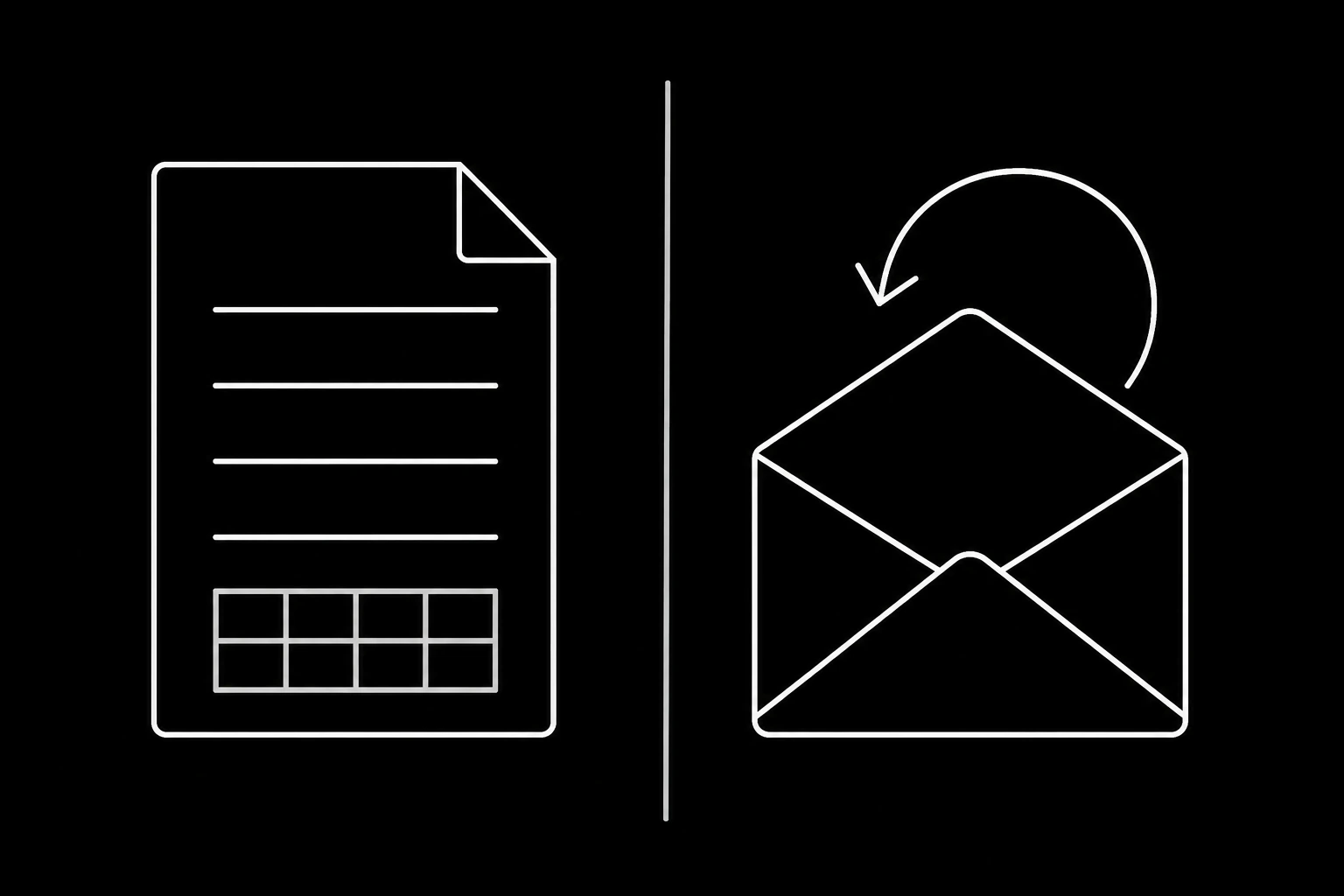
The receipt and the thank-you are different messages
Most systems conflate them, and it costs you the second one entirely.
The receipt is a transactional record: amount, date, reference, tax details where relevant. It has legal requirements and no personality, and it should go out instantly.
The thank-you is a conversation opener. It says what the money does, invites a reply, and comes from an address a person could answer. An agent can write this one well, because the raw material is specific: what was given, to what, and what that particular amount funds.
The measure of a good thank-you is whether a reply would be welcome. If it lands in a no-reply mailbox, it was a receipt with warmer adjectives.
What an agent handles well
Acknowledgement with specificity. Not "thank you for your generous support" but what this donation does, drawn from your fundraising system.
Donor questions. How to change a regular gift, whether a donation is tax deductible in their country, where to find last year's statements, how to give in memoriam. High volume, documented answers, and currently the reason someone is not writing the newsletter.
Regular giving admin. Amount changes, card updates, pauses, and cancellations handled gracefully rather than defensively, which matters because a graceful cancellation is often a future donor.
Impact follow-up. A message some months later saying what happened, tied to what they funded. Almost nobody sends these, and they are the strongest retention lever a small team has.
| Message | Agent | Person |
|---|---|---|
| Receipt and acknowledgement | Yes | |
| Routine admin and questions | Yes | |
| Impact updates from programme data | Yes | |
| Major gifts, above your threshold | Always | |
| Legacy and in-memoriam conversations | Always | |
| Complaints, or anything about how funds were used | Always | |
| Anything from a journalist | Always |
Major donors and grief
Two categories deserve their own rule rather than a threshold.
Above your major gift threshold, a person writes, always, and quickly. The agent's job is to make sure that person knows within minutes rather than at the end of the week.
In-memoriam and legacy giving is somebody's grief arriving in your inbox. Even a well-written automated message is the wrong instrument, and the failure mode is severe enough that it should be structurally impossible: route on the signals in your donation form and on the language in the message, and escalate anything ambiguous.

Supporter data, treated properly
Donor records are personal data, often including special category information by implication, and the sector's regulators are attentive. Three practical rules.
Record facts, not judgements. "Gives quarterly, prefers email, interested in the water programme" is useful. Anything evaluative about a donor is a record you may have to hand over, per the compliance floor.
Honour preferences in infrastructure. A donor who asked for fewer messages should be constrained by your system, not by an agent remembering, per bounces, complaints, and suppression.
Keep campaign mail and conversational mail on separate subdomains, so an appeal with a high complaint rate cannot take your donor service replies down with it, per transactional, marketing, conversational.
The appeal itself stays a campaign
Worth being clear: this is not a tool for sending appeals. Bulk fundraising mail is a campaign with campaign infrastructure, and a five recipient cap exists precisely to keep the two apart.
What changes is everything around the appeal: the replies it generates, the questions, the admin, and the follow-up that used to be nobody's job. In most small teams that is a larger share of the work than the appeal itself.
Where to start
The acknowledgement, plus the donor questions inbox. Both are high volume, low risk, and visibly better than what you do now. Read every thread for a fortnight, per the first week with an email agent, and pay particular attention to what people write back, since donors reply to a good thank-you and those replies are worth reading.
Questions
- Can an AI agent write donor thank-yous?
- Yes, and it should be a different message from the receipt: specific about what the gift funds, from an address a donor can reply to. If it lands in a no-reply mailbox, it is a receipt rather than a thank-you.
- What must always go to a person?
- Major gifts above your threshold, legacy and in-memoriam conversations, complaints, anything about how funds were used, and press enquiries.
- How do I stop it sending something inappropriate to a bereaved donor?
- Make it structural: route on your donation form's signals and on the language in the message, and escalate anything ambiguous rather than answering it.
- Can it send our appeals?
- No. Bulk appeals are campaigns and belong on campaign infrastructure. The agent handles the conversation around them, which is usually the larger pile.
- What should it record about donors?
- Facts and preferences, never evaluations. Donor records are personal data and you may have to hand them over.
- What is the most underused message?
- The impact follow-up months later, tied to what someone funded. Almost nobody has time to send it, and it is the strongest retention lever a small team has.
Give your agent an address it can answer from.
Create an inbox